
3 raisons pour lesquelles les réseaux de vélopartage sont fiables et résilients
24 juillet 2026 — Regard sur l’industrieRegard sur l’industrie
Pour leurs déplacements, les gens choisiront toujours le chemin le plus fréquenté (à vélo!). Commodité et convivialité sont les mots clés. Et bien que la gouvernance ne puisse franchir les frontières municipales d’une région, les systèmes de vélopartage, eux, le peuvent.
En fait, cinq des systèmes de vélopartage exploités par Lyft Urban Solutions (LUS) aux États-Unis s’étendent sur 32 municipalités et 34 organismes gouvernementaux dans sept États, ainsi que le District de Columbia. Il s’agit d’une croissance notable, puisque le système desservait seulement 13 municipalités lorsque LUS pris en charge l’exploitation de ces programmes en 2018.
« Notre système de vélopartage se déploie de manière fluide à travers plusieurs frontières municipales », explique Sean Martin, gestionnaire de programme pour Capital Bikeshare (CaBi) à Arlington County, en Virginie, qui couvre huit municipalités à Washington DC, en Virginie et au Maryland. « Les usagers ne s’arrêtent pas aux frontières pour changer de moyen de transport. Les gens utilisent souvent CaBi pour se déplacer entre des quartiers de municipalités adjacentes. Ils y ont aussi recours pour accéder au métro, et les stations CaBi près des stations de métro se trouvent systématiquement parmi les stations les plus performantes de l’ensemble des municipalités. »
En savoir plus sur le système CaBi à Washington DC
Cette expérience fluide crée une valeur ajoutée réelle. En effet, le vélopartage intermunicipal permet des déplacements régionaux qui, sinon, nécessiteraient l’utilisation de la voiture, ce qui crée des avantages en aval conformes aux objectifs relatifs au climat et au transport. Il complète également l’offre existante de modes de transport, en étendant l’envergure du réseau et en faisant gagner du temps aux utilisateurs. Les plus récents chiffres le confirment : 81 % des usagers ont utilisé les services de micromobilité pour accéder au transport en commun. Et avec la popularité croissante des vélos électriques, qui permettent des trajets plus longs, ce modèle gagne en importance.
L’utilisation des vélos en libre-service évolue, à mesure que les usagers découvrent de nouvelles façons de se déplacer dans leur région. Le système CaBi observe un usage important de ses vélos dans les zones fortement touristiques, où de nombreux usagers font des trajets de plusieurs kilomètres. « Un usage important par les touristes confirme d’autant plus le succès de CaBi comme système régional, puisque les touristes ignorent souvent les frontières municipales », affirme Martin.
Pour les résidents, la situation est tout aussi claire. Nick Schmidt, gestionnaire du programme de transport pour Bicycle and Pedestrian Mobility à Cambridge, au Massachusetts, affirme que Bluebikes — qui dessert 13 municipalités dans la région métropolitaine de Boston — « dépasse largement ses objectifs en termes de fréquentation et d’activité. Mais également en termes de tendances régionales, parce que certaines liaisons sont un peu trop longues ou peu pratiques par train, à pied ou en autobus. »
Tenzin Choephel, coordonnateur du transport actif de Cambridge, est d’accord. « Les gens viennent me voir et me disent "Oui, j’utilise le système Bluebikes tous les jours" », dit-il. Certains secteurs où les demandes de vélos en libre-service étaient les plus importantes se trouvaient près des supermarchés et des cabinets médicaux, où les gens effectuent leurs déplacements habituels non liés au travail. Un bon nombre de nos stations les plus fréquentées sont à côté de gares de banlieue, ce qui démontre la popularité des déplacements régionaux multimodaux. Les gens utilisent aussi très souvent le système comme mode de transport principal, au lieu de prendre la voiture. »

En savoir plus sur le réseau Bluebikes du Grand Boston
Les données le confirment. Les usagers ont vendu, donné ou mis au rebut près de 195 000 véhicules grâce aux services de micromobilité partagée, et 55 % des membres du réseau de vélopartage ayant accès à un véhicule personnel affirment l’utiliser moins souvent en raison des services de micromobilité partagée.
Le nombre record d’usagers de CaBi (le système a connu une croissance de 20,2 % au cours de la dernière année) fournit, selon les termes de Martin, « une justification claire pour que de nouvelles municipalités rejoignent le système, ce qui permettra au succès de générer encore plus de succès. » Choephel remarque que Bluebikes bénéficie d’un solide soutien régional en matière de financement, de logistique et de coordination. Schmidt souligne quant à lui que le secteur de la promotion immobilière a également soutenu l’expansion du réseau en reconnaissant que l’accès au vélopartage rend les propriétés plus attrayantes pour les acheteurs. Les partenaires de transport régionaux ont également pris conscience de cet intérêt et ont soutenu Capital Bikeshare en raison des avantages mutuels de la mise en relation de leurs services.
Un facteur majeur dans cette croissance? Les vélos électriques. Ils ont transformé l’utilisation des services de CaBi, représentant 63 % de tous les trajets, alors qu’ils ne constituent que 38 % du parc de vélos. « Les vélos électriques offrent les bienfaits de l’activité physique pour la santé, tout en facilitant les déplacements sur les collines et sur de plus longues distances », explique Martin, ajoutant que depuis leur introduction, le trajet moyen est passé de 1,6 à 4,8 km, à 4,8 à 8 km ou plus.
Affirmant que les vélos électriques ont été en partie ajoutés afin de permettre ces plus longs trajets, Choephel raconte une anecdote :
« Il y avait ces vélos électriques qui sont apparus assez loin à Salem, et nous avons demandé aux responsables des opérations : "Avez-vous amené ces vélos à Salem?" Ils nous ont répondu que non, des gens s’en étaient servi pour se rendre jusque là. Des gens utilisaient des vélos électriques jusqu’à Salem! C’était intéressant pour nous de voir que des gens avaient fait un trajet de plus de 20 km sur un vélo électrique pour le plaisir. Et ces vélos ont fini par revenir aussi. »
Vous voulez plus de données ? Obtenez le dernier rapport multimodal de Lyft
La complexité de faire fonctionner un système de vélopartage intermunicipal est réelle, mais elle n’a pas à être un frein. Dans l’ensemble de ses systèmes régionaux, LUS organise régulièrement des réunions individuelles avec chaque municipalité pour répondre aux besoins locaux (de la coordination du déploiement à la planification d’événements), parallèlement à des réunions concernant l’ensemble du système pour favoriser une harmonisation stratégique. Des outils partagés, comme des calendriers de travail et des tableaux de performance, donnent à toutes les administrations une visibilité en temps réel des opérations, de manière à assurer une coordination proactive. De plus, nous maintenons des normes de service unifiées dans l’ensemble du réseau, car pour qu’un système fonctionne pour tout le monde, il doit fonctionner pour chaque communauté individuellement.
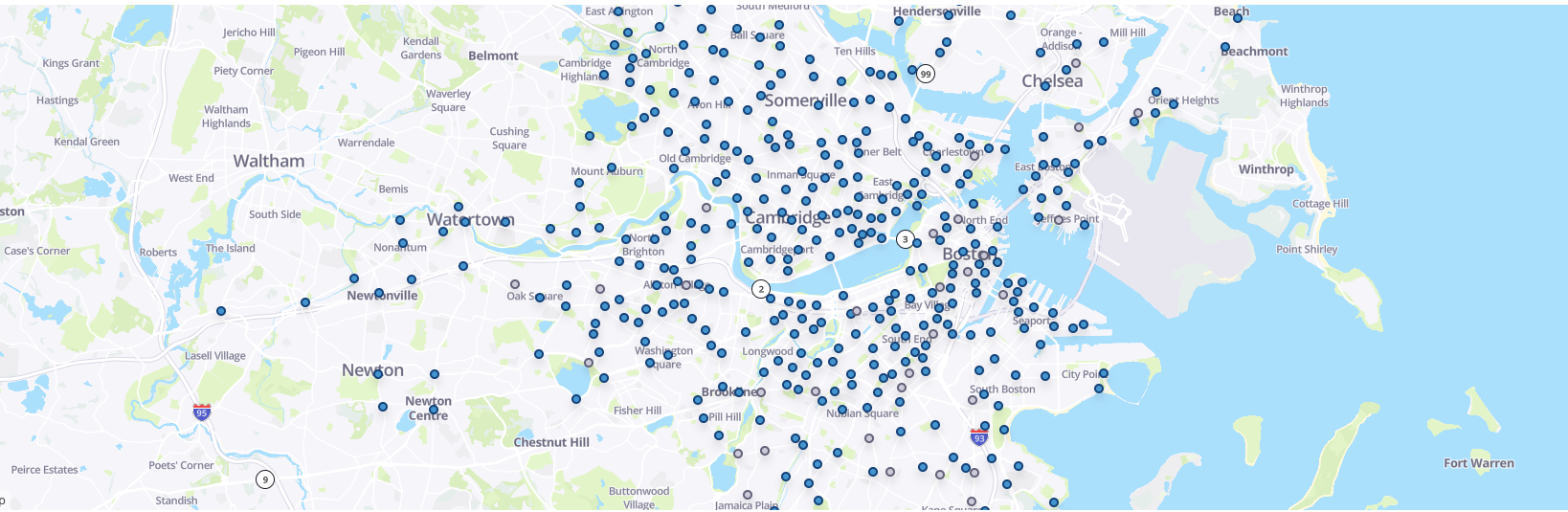
Nous aidons également les municipalités à se développer. Notre cadre de fonctionnement éprouvé a facilité l’intégration harmonieuse de la Ville de Fairfax à Capital Bikeshare en 2023, et c’est ce même cadre qui a permis à Bluebikes de passer de 4 à 13 municipalités et de presque doubler la zone qu’elle dessert. Alors que les vélos électriques augmentent la distance des trajets et que leur utilisation devient de plus en plus régionale, il est plus important que jamais de compter sur un partenaire qui sait comment gérer cette évolution.
C’est exactement le rôle de LUS. Nous ne nous contentons pas d’exploiter des systèmes de vélopartage. Nous contribuons au succès des partenariats qui les soutiennent.


